

Grassroots Marketing Strategy Types for Small Businesses
Grassroots marketing is defined as a community-led promotional approach where authentic peer-to-peer advocacy replaces paid advertising as the primary growth engine. 96% of consumers distrust traditional ads, and 69% distrust branded content. That gap is exactly where grassroots marketing strategy types thrive. For small business owners and local entrepreneurs, these cost-effective marketing strategies offer something no media buy can replicate: genuine trust built inside real communities. The industry term for this broader discipline is “community-based marketing,” and understanding its specific tactics gives you a concrete playbook to follow.
What are the top grassroots marketing strategy types for small businesses?
The most effective grassroots advertising methods share one trait: the community’s voice leads the conversation, with the brand acting as a quiet facilitator. Each type below fits a different budget, audience, and business model.
1. Community events and local partnerships
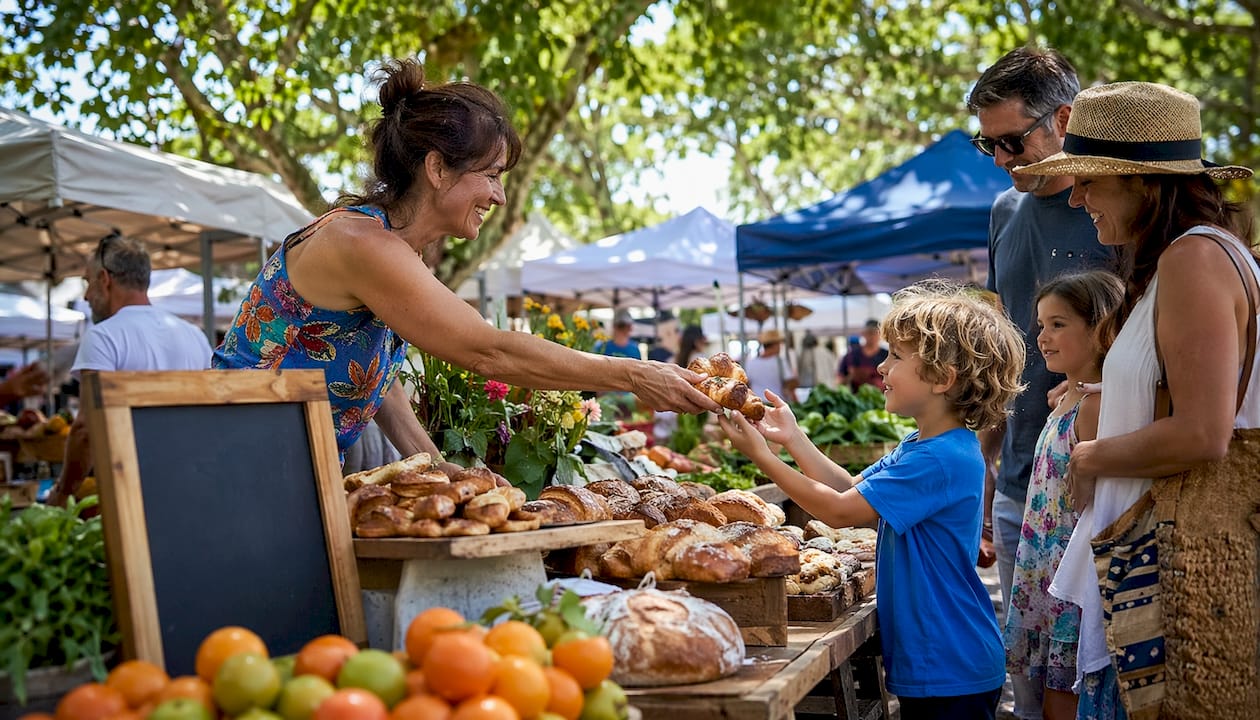
Hosting or co-sponsoring neighborhood events puts your brand in the room with your best prospects. A local bakery that partners with a youth soccer league for a Saturday bake sale creates goodwill that a Facebook ad cannot buy. The key is choosing events where your audience already gathers, not events you wish they attended.
2. Referral and ambassador programs
Referral programs turn satisfied customers into a structured sales channel. You define the reward, set the rules, and let your existing base do the recruiting. Ambassador programs go one step further by giving your most loyal customers an ongoing identity tied to your brand, which deepens their personal investment in your success.
3. User-generated content campaigns
User-generated content (UGC) campaigns ask customers to share photos, reviews, or videos featuring your product or service. A coffee shop that runs a “show us your morning cup” photo challenge on Instagram generates authentic social proof without a production budget. UGC also feeds your own content calendar for weeks after the campaign ends.
4. Micro and nano-influencer collaborations
Nano-influencers with 1,000–5,000 followers average an 8.8% engagement rate, compared to just 1.7% for macro-influencers. That difference matters because engagement predicts purchase intent far better than raw reach. A local fitness studio partnering with five nano-influencers in its zip code will outperform a single sponsored post from a regional celebrity.
Pro Tip: Search local hashtags on Instagram or TikTok to find nano-influencers who already post about your neighborhood. They are often willing to collaborate for product exchanges rather than cash fees.
5. Local social media group engagement
Facebook Groups, Nextdoor, and neighborhood subreddits are underused by most small businesses. Joining these spaces as a genuine community member, answering questions and sharing useful information, builds name recognition without spending a dollar. The rule is simple: contribute value 90% of the time before mentioning your business.
6. Content co-creation with local voices
Inviting a local chef, artist, or community leader to co-create content with your brand adds credibility and expands your reach to their audience. A hardware store that films a DIY tutorial with a well-known local contractor gets shared by the contractor’s network, not just its own followers. Co-creation works because both parties have skin in the game.
7. Guerrilla marketing as an ignition point
Guerrilla marketing tactics, such as sidewalk chalk art, pop-up installations, or flash mobs, generate immediate attention and social sharing. They work best as ignition points that spark a longer grassroots campaign rather than standalone efforts. Grassroots marketing builds deeper brand loyalty than guerrilla stunts alone, so treat the stunt as the spark, not the fire.
How do grassroots marketing types differ in cost, effort, and impact?
Not every community-based marketing technique fits every business. The table below maps each type against three practical dimensions: cost, time investment, and expected engagement depth.
| Strategy type | Typical cost | Time to results | Engagement depth |
|---|---|---|---|
| Community events | Low to medium | 4–8 weeks | High (face-to-face) |
| Referral programs | Low | 6–12 weeks | High (trust-driven) |
| UGC campaigns | Very low | 2–4 weeks | Medium |
| Nano-influencer collabs | Low | 2–6 weeks | Very high |
| Local social media groups | Free | 4–8 weeks | Medium to high |
| Content co-creation | Low to medium | 4–8 weeks | High |
| Guerrilla tactics | Low to medium | Immediate | Low (short-lived) |
The trade-off between speed and loyalty is real. Guerrilla stunts deliver fast visibility but shallow relationships. Referral and ambassador programs take longer but produce customers who stay and refer others. Grassroots campaigns show measurable results within 4–8 weeks when executed with consistent, authentic engagement.
Pro Tip: Pick one or two strategy types that match where your audience spends time, not the ones that sound most exciting. A retail shop on a busy street benefits more from guerrilla tactics and events than from online-only UGC campaigns.
Which grassroots marketing types best integrate with digital channels to maximize ROI?
A hybrid model combining physical grassroots efforts with digital tracking is the most effective approach for small businesses in 2026. Integrating grassroots marketing with digital channels can increase campaign ROI by 40–60%. That figure reflects what happens when street-level activation feeds social sharing, which then feeds retargeting audiences.
The strongest hybrid combinations include:
- Street activations plus social sharing. A pop-up event generates photos. Those photos become Instagram posts. Those posts reach followers who never attended. The physical event becomes a digital content engine.
- Nano-influencer posts plus retargeting. When a nano-influencer tags your business, you capture that audience through pixel-based retargeting. You convert warm viewers who saw a trusted peer endorse you.
- UGC campaigns plus email capture. Contest entries collect email addresses. Those addresses feed a nurture sequence that converts participants into paying customers over weeks.
- Local group engagement plus website traffic. Answering questions in a Nextdoor group and linking to a relevant blog post drives qualified local traffic to your site.
Data capture during grassroots campaigns enables real-time optimization. If one nano-influencer post outperforms another, you shift budget and attention immediately rather than waiting for a campaign to end. For more on connecting digital efforts to measurable growth, the digital marketing and business growth guide from Marvingrowthpartners covers the integration in depth.
How to choose the right grassroots marketing strategy for your business
Selecting the right community-based marketing technique starts with knowing where your audience actually spends time, not where you assume they do.
Step 1: Map your audience’s physical and digital spaces. Walk your neighborhood. Note which community events draw crowds. Check which local Facebook Groups or Nextdoor threads are most active. Location choice significantly influences grassroots campaign success, affecting engagement by as much as 40%.
Step 2: Match the strategy to your product type. Service businesses (salons, gyms, tutors) benefit most from referral programs and local group engagement because trust is the primary purchase driver. Product businesses benefit more from UGC campaigns and events where people can experience the product directly.
Step 3: Set a realistic timeline. Grassroots marketing is a slow-building strategy that rewards patience. Plan for a minimum of six weeks before evaluating results. Cutting a campaign at week three because it hasn’t gone viral is the most common mistake small business owners make.
Step 4: Start with one channel. Focusing on one primary channel where your audience is active before expanding yields greater effectiveness. Master one community before adding a second.
Step 5: Measure engagement before revenue. Track shares, comments, referrals, and foot traffic first. Revenue follows engagement, not the other way around. For a broader look at how different approaches stack up, the marketing strategy types guide from Marvingrowthpartners is a practical starting point.
Pro Tip: Run a 30-day test on your chosen strategy before committing to a full quarter. Document what you did, when you did it, and what response you got. That log becomes your optimization guide.
Key Takeaways
The most effective grassroots marketing strategy types combine authentic community engagement with consistent digital tracking to build lasting brand loyalty without large advertising budgets.
| Point | Details |
|---|---|
| Consumer trust drives grassroots value | 96% of consumers distrust traditional ads, making peer-led promotion the credible alternative. |
| Nano-influencers outperform macro-influencers | Nano-influencers average 8.8% engagement versus 1.7% for macro-influencers, delivering better ROI per dollar. |
| Hybrid campaigns multiply returns | Combining street-level tactics with digital tracking can increase campaign ROI by 40–60%. |
| Location determines campaign success | Choosing the right venue or online community can affect engagement by up to 40%. |
| Patience is the core requirement | Consistent grassroots effort shows measurable results within 4–8 weeks, not days. |
Why grassroots marketing is harder than it looks, and worth it anyway
Most small business owners I work with expect grassroots marketing to feel easy because it sounds informal. It isn’t. The discipline required to show up consistently in a community, add value without pitching, and wait for trust to compound is genuinely difficult. Most people quit before the results arrive.
The biggest mistake I see is treating a single event or a one-week UGC push as a grassroots strategy. That’s a tactic. A strategy is what you do every week for six months. The businesses that win with grassroots are the ones that build a repeatable system: a monthly event, a standing referral program, a weekly post in the local Facebook Group. They don’t rely on any single moment to carry the campaign.
I also want to push back on the idea that grassroots marketing is just for businesses with no budget. Some of the most effective community-based campaigns I’ve seen were backed by real investment in time, creative, and measurement. The difference between grassroots and paid advertising isn’t money. It’s who controls the message. In grassroots, the community does. That’s the whole point, and it’s why authentic community engagement produces loyalty that paid ads simply cannot replicate.
Measure engagement tiers before you expect revenue. Comments and shares come before conversions. If you’re not seeing engagement after eight weeks of genuine effort, the problem is usually channel selection, not the strategy itself.
— Eric
How Marvingrowthpartners helps small businesses build grassroots momentum
Small businesses rarely fail at grassroots marketing because of bad ideas. They fail because execution breaks down without a clear system behind it.
Marvingrowthpartners works with local entrepreneurs to build growth systems that align community-based tactics with measurable business outcomes. The approach combines executive-level growth strategy with hands-on execution support, so you get a plan that actually gets implemented, not a slide deck that sits in a folder. From referral program design to nano-influencer outreach and digital integration, Marvingrowthpartners tailors every recommendation to your specific market, budget, and growth stage. If you’re ready to turn grassroots effort into trackable results, the business growth consulting services at Marvingrowthpartners are built for exactly that.
FAQ
What is grassroots marketing?
Grassroots marketing is a community-led promotional strategy where authentic peer advocacy drives brand awareness instead of paid advertising. The brand facilitates the conversation while the community leads it.
How long does grassroots marketing take to show results?
Consistent grassroots campaigns typically show measurable results within 4–8 weeks. Sustainable brand loyalty builds over months, not days.
What are the most cost-effective grassroots marketing strategies?
Local social media group engagement and UGC campaigns are the lowest-cost options. Nano-influencer collaborations offer the highest engagement return for a small budget investment.
How do I measure grassroots marketing ROI?
Track engagement metrics first: shares, comments, referrals, and foot traffic. Integrating digital tracking tools with physical campaigns allows real-time optimization and connects engagement data to revenue outcomes.
Can grassroots marketing work alongside paid advertising?
Yes. Hybrid campaigns that combine grassroots tactics with digital retargeting can increase overall ROI by 40–60%. The grassroots effort builds trust; the digital layer extends reach and captures warm audiences.
Recommended
- Marketing Strategy Types for SMBs: 2026 Growth Guide – Marvin Growth Partners
- Low-Cost Local Marketing Tactics for SMBs in 2026 – Marvin Growth Partners
- Strategies for Improving Marketing ROI and Lead Generation for Small Businesses – Marvin Growth Partners
- Unlocking Business Growth: Digital Marketing Strategies for Small Businesses – Marvin Growth Partners